
From Onboarding to Leadership: 6 Key Elements of a Successful Early Talent Development Program
Building a strong Early Talent Development Program requires more than structured onboarding. It demands a long term vision that connects early career experiences with future leadership outcomes. For professionals looking to strengthen their programs, joining LDP Connect can provide valuable insights, tools, and shared practices.
An Early Talent Development Program is not just a starting point for new hires. It is a structured system designed to guide individuals from entry level roles toward meaningful contributions and leadership readiness within an organization over time.
Modern programs focus on continuous growth rather than fixed timelines. They integrate learning, experience, and performance tracking to ensure participants evolve with business needs while developing both technical and behavioral capabilities that support long term organizational success.
Structured development ensures consistency across participant experiences. It helps organizations identify high potential individuals early, support them with the right interventions, and prepare them for future leadership roles through deliberate and measurable development pathways.
Organizations are moving away from viewing onboarding as a one time activity. Instead, they are building continuous development journeys that extend across months and years, ensuring early talent remains engaged, productive, and aligned with evolving business expectations.
A short onboarding process cannot prepare individuals for complex roles. Without ongoing support, early talent may struggle to adapt, leading to disengagement and slower performance growth across the organization over time.
A strong program connects onboarding with continuous learning, mentoring, and real work exposure. This ensures that participants are not only integrated into the organization but are also consistently progressing in their roles.
Strategic onboarding plays a critical role in shaping the early experiences of participants. It establishes expectations, builds confidence, and creates alignment between individual goals and organizational priorities from the very beginning of the program.
Onboarding should reflect business priorities. When early talent understands how their work contributes to larger objectives, they are more likely to stay engaged and perform effectively within their roles.
The first 90 days are crucial for engagement. Clear communication, structured learning, and meaningful interactions help participants build confidence and develop a strong sense of belonging within the organization.
Each participant enters the program with unique strengths and development needs. Personalized learning pathways ensure that individuals receive targeted support that accelerates their growth while aligning with organizational requirements and expectations.
Assessments and regular check ins help identify where participants excel and where they need support. This allows program managers to design interventions that are both relevant and effective for each individual.
Structured learning frameworks provide clarity and direction. They help participants understand what is expected at each stage of their journey and enable consistent progress toward defined career milestones.
Mentorship and coaching are essential components of a strong Early Talent Development Program. They provide guidance, support, and real world insights that cannot be achieved through formal training alone.
Mentors help participants navigate challenges, build confidence, and gain perspective. Their experience allows early talent to make better decisions and avoid common pitfalls in their professional journey.
Scalable coaching ensures that all participants receive support without overwhelming resources. Structured programs, group coaching sessions, and peer learning models can help achieve this balance effectively.
Practical experience is one of the most effective ways to accelerate learning. Projects and rotations expose participants to different roles, teams, and challenges, helping them build a well rounded understanding of the organization.
Hands on experience allows participants to apply their knowledge in real situations. This reinforces learning, builds confidence, and helps individuals develop problem solving skills that are essential for growth.
Effective rotations are planned with clear objectives and outcomes. Each rotation should offer meaningful exposure and contribute to the overall development journey of the participant.
Continuous feedback is critical for growth. It helps participants understand their progress, identify areas for improvement, and stay aligned with program expectations throughout their journey.
Annual reviews are not sufficient for early talent development. Frequent feedback provides timely insights and allows participants to make adjustments that improve performance and engagement.
Constructive feedback builds trust and encourages growth. When participants feel supported, they are more likely to stay engaged and committed to the program.
Preparing early talent for leadership roles requires deliberate planning. Programs must focus on building leadership capabilities and creating opportunities for participants to demonstrate their potential.
Leadership development should begin early. Providing opportunities to lead projects and take responsibility helps participants build the skills needed for future roles.
A strong pipeline ensures continuity within the organization. It reduces reliance on external hiring and creates a culture of growth and internal mobility.
Professionals managing Early Talent Development Programs benefit from shared knowledge and collaboration. Engaging with a community allows them to learn from others, exchange ideas, and continuously improve their programs.
Communities provide access to real experiences and practical insights. This helps professionals refine their approaches and implement strategies that are proven to work in similar contexts, especially through curated discussions and events such as the LDP Summit where practitioners share actionable learnings.
Collaboration encourages new ideas and perspectives. It helps professionals stay updated with evolving practices and adapt their programs to meet changing organizational needs.
LDP Connect is the community of professionals who lead, manage or support early career talent development programs. With an active membership of over 400, we have been serving members with research, tools and events since 2012. Joining LDP Connect enables professionals to strengthen their programs through shared learning and collaboration.
Even well designed programs face challenges. Identifying and addressing these challenges is essential for maintaining effectiveness and ensuring that the program continues to deliver value over time.
Limited resources can impact program quality. Finding efficient ways to scale without compromising participant experience is a common challenge for many organizations.
Measuring impact requires clear metrics and consistent tracking. Organizations must link program outcomes to business goals to demonstrate value effectively.
A successful Early Talent Development Program is built on strong foundations, continuous development, and a clear focus on future leadership. By refining these six elements, organizations can create programs that not only support early talent but also strengthen long term business outcomes.
Organizations can improve programs by focusing on personalization, continuous feedback, real world experience, and strong mentorship structures.
Feedback helps participants understand their performance and identify areas for improvement, leading to better engagement and growth.
Rotations provide exposure to different roles and functions, helping participants develop a broader understanding of the organization.
LDP Connect supports professionals by offering a community where they can share insights, access resources, and learn from peers managing similar programs.
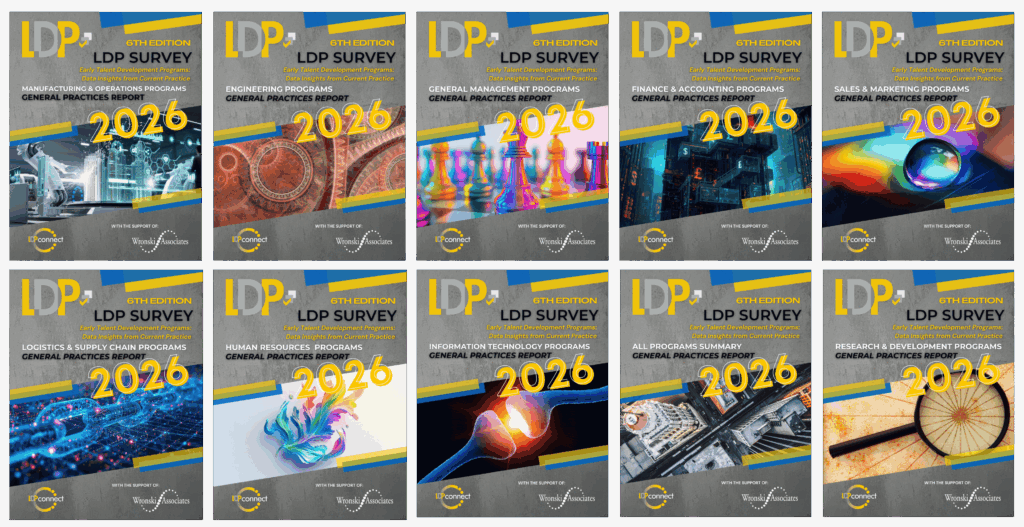
Rention rates, NPS scores, Diversity metrics
Curiculum elements, Program structure & more!
From 177 early talent development programs
Across 94 organizations and 9 functional areas

New applications are typically reviewed within an hour of submission. You'll receive an email notification shortly.