DashboardThe LDP Connect Member Resource Library

Onboarding and Training: Laying the Foundation

Onboarding and Training: Laying the Foundation

Introduction

In today’s fast-paced business environment, organizations across the USA are prioritizing early talent recruitment to build a strong foundation for future success. However, attracting top early-career talent is only the beginning. The real challenge lies in retaining and developing these individuals into leaders who can drive innovation and growth. Effective leadership mentoring is a proven strategy to unlock the potential of early talent, ensuring they thrive in their roles and contribute to long-term organizational goals. At LDP Connect, we specialize in supporting organizations to create robust mentoring programs that foster early talent development. This blog explores the importance of leadership mentoring, outlines best practices for building impactful programs, and highlights how LDP Connect’s resources can help you succeed.

Understanding Leadership Mentoring

Leadership mentoring is a structured relationship where experienced professionals guide early career talent, typically those with less than five years of experience, to develop critical skills, knowledge, and confidence. Unlike informal mentorship, leadership mentoring is intentional, often part of a broaderearly talent development program. It focuses on career growth, leadership skills, and organizational integration, making it a cornerstone of successful early talent recruitment strategies.

Why Leadership Mentoring is Essential for Early Talent

Investing in leadership mentoring yields significant benefits for both employees and organizations. Here are the key reasons why it’s crucial:

  • Accelerated Learning: Mentors share insights and experiences, helping mentees quickly adapt to their roles and avoid common mistakes.
  • Career Guidance: Early talent often needs direction to navigate career paths. Mentors provide personalized advice, aligning individual goals with organizational opportunities.
  • Networking Opportunities: Access to a mentor’s professional network can lead to new projects, collaborations, and career advancements.
  • Increased Retention: Employees who feel supported are more likely to stay. Insights from LDP Connect’s 2024 Early Talent Program Data suggest that organizations with mentoring programs often see higher retention rates.
  • Leadership Development: Mentoring identifies and nurtures high-potential talent, preparing them for future leadership roles.

These benefits make mentoring a strategic tool for organizations aiming to build a sustainable leadership pipeline.

Key Components of an Effective Leadership Mentoring Program

Creating a successful mentoring program requires careful planning. Based on LDP Connect’s research and community insights, here are the essential components:

  • Clear Objectives: Define specific goals, such as improving retention or developing leadership skills, to guide the program’s structure.
  • Voluntary Participation: Ensure mentors and mentees participate willingly to foster genuine engagement.
  • Diverse Mentor Pool: Include mentors from various departments and backgrounds for diverse perspectives.
  • Mentor Training: Equip mentors with skills like active listening and goal-setting. LDP Connect’s tools offer resources for mentor development.
  • Structured Yet Flexible: Provide a framework but allow flexibility for relationships to evolve naturally.
  • Regular Check-ins: Schedule periodic reviews to monitor progress and address challenges.
  • Feedback Mechanisms: Collect feedback from participants to refine the program.
  • Recognition and Rewards: Celebrate successful mentoring pairs to encourage participation.

Visual Note: Include a chart illustrating these components for quick reference.

Common Pitfalls to Avoid

While mentoring programs offer immense value, they can fail if not managed properly. Here are pitfalls to avoid:

  • Lack of Clear Objectives: Without defined goals, the program may lack direction.
  • Poor Matching: Incompatible mentor-mentee pairs can lead to disengagement.
  • Insufficient Support: Mentors and mentees need ongoing guidance to succeed.
  • No Evaluation: Without feedback, it’s hard to measure success or improve.

Addressing these challenges proactively ensures a thriving program.

Step-by-Step Guide to Implementing a Leadership Mentoring Program

Launching a mentoring program is straightforward with the right approach. Here’s a step-by-step guide:

  1. Form a Steering Committee: Assemble stakeholders to oversee program development.
  2. Conduct a Needs Assessment: Survey participants to understand their expectations.
  3. Develop Program Guidelines: Outline the program’s structure, expectations, and benefits.
  4. Recruit and Train Mentors: Identify mentors and provide training using resources like those from.
  5. Match Mentors and Mentees: Use a systematic process to pair participants based on goals and compatibility.
  6. Kick Off the Program: Host an orientation to set expectations.
  7. Monitor and Support: Offer ongoing support through check-ins and workshops.
  8. Evaluate and Iterate: Collect feedback to assess effectiveness and make improvements.

How LDP Connect Supports Your Mentoring Program

LDP Connect offers a suite of resources to help organizations excel in early talent development:

  • LDP Survey: Access benchmark data from over 165 programs, including retention rates and diversity metrics, via the LDP Survey.
  • LDP Meetings: Join facilitated discussions with peers to share best practices at LDP Meetings.
  • Tools and Resources: Utilize templates and guides from our tools library to streamline program design.
  • Community Support: Connect with over 400 professionals, including 40% of Fortune 100 companies, for expertise and collaboration.

By joining LDP Connect, you gain access to these resources, ensuring your mentoring program is both effective and sustainable.

Success Stories from Our Community

LDP Connect’s community includes professionals from leading organizations who have transformed their early talent programs through mentoring. While specific examples vary, many members report improved retention and engagement after implementing structured mentoring initiatives. To learn more, attend our LDP Summit or explore our reports.

FAQs

1. What are the benefits of leadership mentoring for early talent?
Mentoring accelerates learning, provides career guidance, expands networks, boosts retention, and develops leadership skills.

2. How can I ensure my mentoring program is effective?
Incorporate clear objectives, mentor training, regular check-ins, feedback mechanisms, and recognition.

3. What resources does LDP Connect offer?
We provide the LDP Survey, LDP Meetings, tools, and community support.

4. How do I join LDP Connect?
Visit our membership page to explore membership options.

5. Can mentoring programs be virtual?
Yes, virtual mentoring is effective with modern technology.

6. How do I measure program success?
Track retention rates, promotion rates, and participant feedback.

Conclusion

Leadership mentoring is a powerful tool for early talent development, enabling organizations to nurture young professionals into future leaders. By implementing a well-structured mentoring program, you can enhance retention, engagement, and leadership pipelines. LDP Connect is here to support you with research, tools, and a vibrant community. Join us today to take your early talent recruitment and development to the next level. Join us now!


Key Data Insights

The following table summarizes key insights from LDP Connect’s 2024 Early Talent Program Data:

MetricInsight
Retention RatesOrganizations with mentoring programs often report higher retention.
NPS ScoresImproved employee satisfaction linked to structured mentoring.
Diversity MetricsMentoring supports diverse talent pipelines.
Program StructureEffective programs include formalized training and rotational assignments.

LDP Connect | The Community of Early Talent Development Professionals | Onboarding and Training: Laying the Foundation
Most Recent Blog Articles
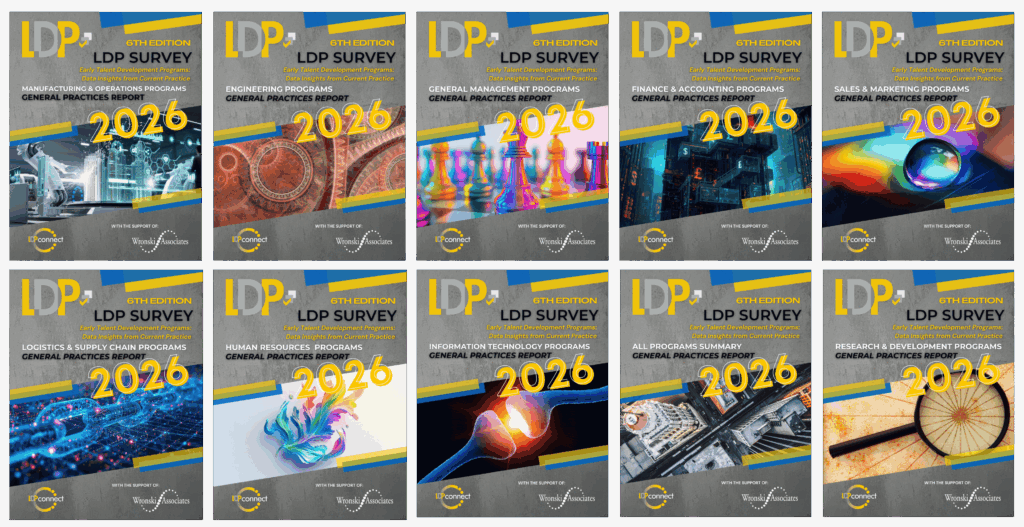
The 2026 Reports are here!
Early Talent Program Data

Rention rates, NPS scores, Diversity metrics

Curiculum elements, Program structure & more!

From 177 early talent development programs

Across 94 organizations and 9 functional areas

LDP Connect | The Community of Early Talent Development Professionals | Onboarding and Training: Laying the Foundation

Graduate Development Program Leaders' Summit

London, November 12, 2025

Days
Hours
Minutes
Seconds

PROMOTION through OCT. 3: Buy one registration, get one free

8 places remaining
(as of Nov. 4)
LDP Connect | The Community of Early Talent Development Professionals | Onboarding and Training: Laying the Foundation

Your application is still awaiting approval

New applications are typically reviewed within an hour of submission. You'll receive an email notification shortly.