Organizations are facing a fundamental shift in how they attract, develop, and retain talent. Demographic changes, evolving employee expectations, rapid technological advancement, and increasing skills shortages are reshaping workforce priorities.
As a result, strategy teams are placing greater emphasis on building a sustainable talent ecosystem rather than filling immediate vacancies. An effective early career talent strategy has become a critical component of long-term business success.
Early talent programs are no longer limited to internships or graduate recruitment initiatives. Leading organizations now view early talent as a strategic investment that supports workforce planning, succession planning, talent pipeline design, and leadership readiness.
The challenge is scalability. Many organizations launch early career initiatives with strong intentions but struggle to expand them across business units, regions, or evolving skill requirements. Without a clear framework, programs become fragmented, difficult to measure, and disconnected from business priorities.
This article outlines a practical framework for creating a scalable early talent strategy that delivers measurable business value.
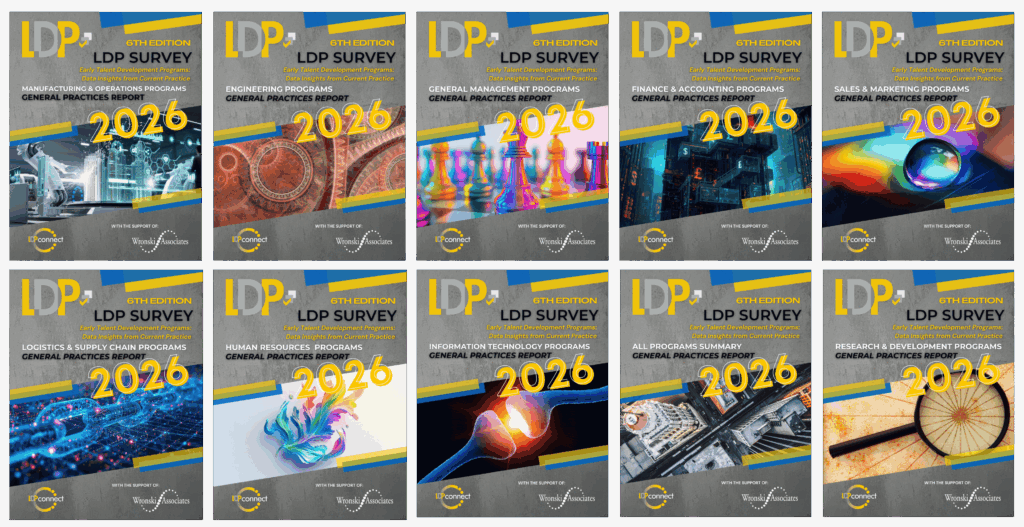
Organizations looking to benchmark their programs and understand emerging trends can explore insights from the Early Career Talent Development Survey, which highlights evolving priorities in early career development.
The competition for experienced professionals continues to intensify across industries. At the same time, organizations are facing increasing pressure to adapt to new technologies, address skills gaps, and prepare future leaders.
Building internal talent pipelines through early career programs offers several advantages:
Organizations with mature early talent programs are better positioned to respond to changing business needs because they cultivate talent aligned with their future capabilities. Instead of reacting to talent shortages, they proactively build the skills and leadership capacity required for sustained growth.
A scalable early career talent strategy creates strategic business value by aligning talent investments with organizational goals. When designed effectively, these programs help organizations:
Scalability ensures that programs can evolve alongside business growth, market changes, and emerging skill demands. The key is designing systems rather than isolated initiatives.
1. Align Early Talent with Workforce Planning
Effective workforce planning starts with understanding future business priorities. Leaders should work closely with business stakeholders to answer critical questions:
By identifying future talent needs, organizations can design early career programs that directly address capability gaps.
For example, if digital transformation is a strategic priority, early talent initiatives should focus on building capabilities in data analytics, artificial intelligence, cybersecurity, and digital operations.
Workforce planning transforms early talent from a recruiting function into a strategic business initiative.
2. Build a Structured Talent Pipeline Design
Scalable programs require intentional talent pipeline design. Rather than focusing solely on recruitment, organizations should create an end-to-end journey that spans attraction, development, progression, and retention. This enables organizations to identify potential leadership talent early in their careers.
An effective talent pipeline includes:
Each stage should have clearly defined objectives, competencies, and success metrics.
3. Create Consistent Development Experiences
One of the biggest barriers to scalability is inconsistency. When different business units operate separate programs with varying standards, the employee experience becomes fragmented.
Consistent experiences help early career employees build confidence, develop critical skills, and navigate their careers more effectively. Organizations should establish a common development framework that includes:
Standardization does not mean uniformity. Programs should maintain a consistent foundation while allowing customization based on local business needs.
Technology platforms can support scalability by centralizing learning resources, tracking development progress, and enabling data driven decision making.
Leaders seeking practical examples and peer driven insights can access the latest research and case studies through the LDP Connect Reports Library and explore additional perspectives on scalable talent development strategies in the LDP Connect Blog.

Technology plays a critical role in scaling early talent programs. Modern talent platforms can help organizations:
Data analytics can uncover patterns that inform better decision making. For example, organizations can identify which development experiences lead to higher retention or faster promotion rates.
Predictive analytics can also help program leadership teams anticipate future talent shortages and adjust programs accordingly.
Technology should enhance human connections, not replace them.
Even well designed programs face obstacles. Common challenges include:
Limited stakeholder alignment: Secure executive sponsorship by connecting early talent initiatives to business outcomes.
Insufficient resources: Start with high priority roles and expand gradually as results become evident.
Inconsistent experiences: Develop standardized frameworks and governance processes.
Weak measurement practices: Define success metrics before launching programs.
Unclear career pathways: Create transparent progression models that show employees how they can grow within the organization.
Addressing these challenges early increases the likelihood of long term success.
To build a scalable early career talent strategy in 2026, leaders should follow this framework:
This approach ensures that early talent initiatives remain aligned with evolving business priorities.
The organizations that succeed in 2026 and beyond will be those that treat early talent as a strategic asset rather than a recruitment channel.
Scalable programs create stronger talent pipelines, improve workforce planning, support succession planning, and accelerate leadership readiness. Most importantly, they help organizations build the capabilities needed for future success.
Strategy teams have an opportunity to move beyond transactional hiring models and create integrated talent ecosystems that deliver long term business value. By investing in scalable frameworks today, organizations can develop the next generation of leaders while strengthening their ability to adapt to future challenges.
Building a scalable early career talent strategy requires ongoing collaboration, benchmarking, and continuous refinement. HR teams can stay informed about emerging practices and evolving workforce trends through LDP Connect, which provides research, industry insights, and peer learning opportunities focused on leadership development and early talent programs.
An early career talent strategy is a structured approach to attracting, developing, and retaining emerging professionals through programs such as internships, graduate schemes, apprenticeships, and rotational experiences.
Early talent programs help organizations anticipate future skill needs and create internal pipelines that address capability gaps before they impact business performance.
Integrating succession planning early enables organizations to identify high potential employees, accelerate development, and strengthen future leadership pipelines.
Key metrics include retention rates, promotion rates, internal mobility, leadership readiness, engagement scores, diversity outcomes, and manager satisfaction.
Organizations can scale programs by establishing standardized frameworks, leveraging technology, defining consistent competencies, and aligning initiatives with enterprise wide business goals.