For emerging early career program managers, attending your first LDP Summit can feel both exciting and overwhelming. You’re stepping into a space full of experienced talent development leaders, buzzing with ideas, best practices, and a shared passion for building the next generation of organizational leaders. Whether you’re launching your first program or rebuilding and refining existing programs, the LDP Summit is your opportunity to accelerate learning, build connections, and bring back real value to your team – but preparation is key.
Without a plan, the packed schedule and opportunities can become too much to process. The good news? With a few intentional steps, new and second-year program managers can approach the Summit with confidence. In this guide, we’ll cover everything you need to know to ensure you walk away with tools, contacts, and insights that fuel your success.
The LDP Summit isn’t just another industry event. It’s the only talent development conference specifically designed for professionals managing early-career leadership development programs. That means you won’t be sitting through generic HR panels or L&D sessions that don’t apply.
Instead, you’ll attend:
For new program managers, this is a unique opportunity to gain practical insights and plug into a nationwide network that understands your challenges and goals.
The most successful Summit experiences don’t start on Day One—they start weeks before. Here’s how to begin:
Ask yourself: What are the top 2–3 outcomes I want from the Summit? Write these down and use them to prioritize your sessions and networking.
A week before the event, the full Summit schedule will be available. Block off time to:
Flash planning like this ensures you maximize time and avoid session regret.
If the Summit has an open mic portion or breakout feedback opportunity, don’t shy away from contributing. You don’t need to be a ten-year veteran to share your voice.
Here are three ways to participate even as a newer manager:
Remember, your unique perspective is valuable—even if you’re just getting started.

Breakouts and case study sessions are some of the most valuable components of the summit experience, offering a chance to dive deep into real-world challenges and innovative strategies shared by industry peers. These interactive formats are designed to spark candid conversations, encourage collaborative problem-solving, and provide actionable takeaways that participants can implement within their own leadership development programs.
Whether you’re looking to refine your program’s structure, explore creative engagement techniques, or benchmark against leading practices in the field, these sessions offer a space to learn from both success stories and lessons learned.
Here’s how to get the most out of them:
Pro Tip: Bring 3–5 questions from your program experience to every session. Even if the topic doesn’t fully align, a fresh lens can unlock an unexpected solution.
The Summit goes beyond casual cocktail hours. Expect peer-led roundtables, curated meetups by program type, and even “idea snack” sessions based on common challenges. Here’s how to make the most of networking:
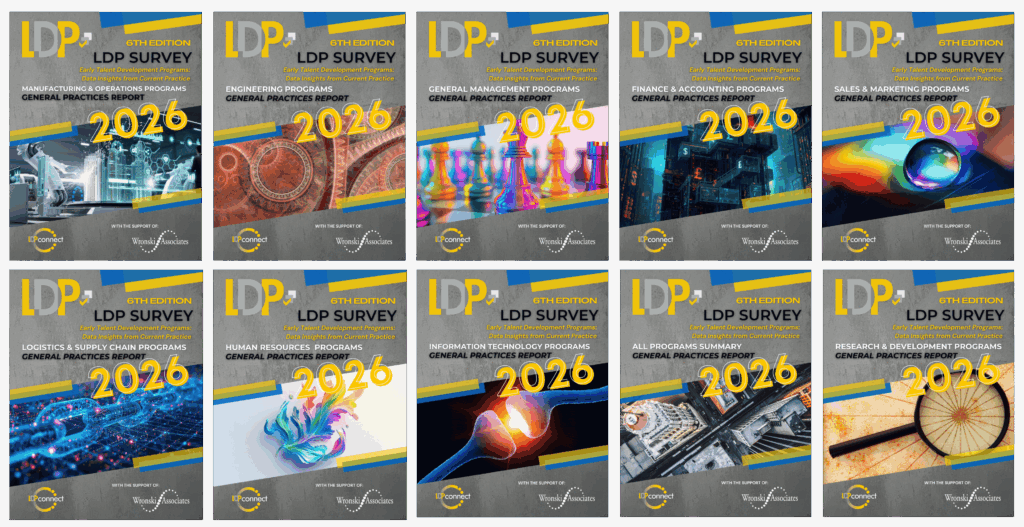
If you’ve never worked with early talent program benchmarking data before, the Summit is the perfect place to start.
Many sessions include benchmarking insights that allow you to compare:
Ask presenters or facilitators for access to slides or summaries. Bring these insights back to leadership to validate changes or improvements to your own program.
The real value of the Summit kicks in once you return home. Here’s how to implement what you’ve learned:
Meet with your team to share top takeaways. Use this as a springboard to adjust parts of your onboarding, rotations, or development tracks.
For example:
Email or connect on LinkedIn with 5–10 people you met. Send an article, ask a follow-up question, or invite them to a casual coffee chat. These connections often turn into peer mentorship, future speakers, or idea partners.
For new or second-year program managers, attending the Summit is a turning point. It’s where you’ll not only absorb insights and tools but also begin to see your own role differently—as a builder of strategy, culture, and future leaders.By planning ahead, using the talent development conference to connect meaningfully, and applying early talent program benchmarking and case study insights, you’ll come home empowered to make an immediate impact.
Not at all. The LDP Summit is designed to be welcoming and inclusive, especially for new or second-year program managers. Many sessions are beginner-friendly and focused on practical takeaways.
Bring a laptop or tablet for notes, a list of program challenges, and business cards if you prefer them over digital connections.
Workshops are optional add-ons during registration. Space is limited, so it’s best to sign up early.
Yes, many sessions qualify for both SHRM and HRCI recertification credits. Certificates are provided at the end of the event.
Typically, plenary sessions may be recorded, but most breakouts are live only. Plan ahead to attend those most critical to your goals.